
Wholesale Inflation India: Worst Rise at 11.4% in September
Wholesale inflation India has surged to 11.4% in September, exceeding expectations and raising concerns.
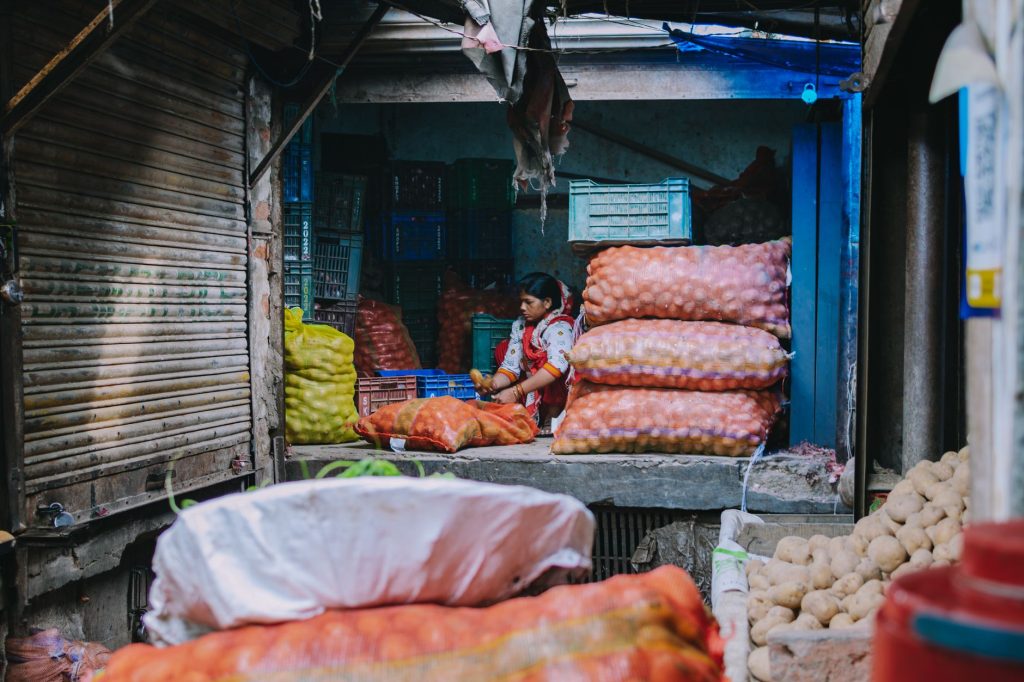
wholesale inflation India has risen faster than expected, reaching 11.4% in September. This significant increase raises concerns about the economic outlook and cost of living.
Understanding Wholesale Inflation
Wholesale inflation in India has become a pressing issue as it reflects the rising prices of goods at the wholesale level, impacting various sectors of the economy. The recent surge to 11.4% in September has raised concerns among economists and policymakers alike.
This spike can be attributed to several factors, including:
- Increased commodity prices: The global rise in prices of essential commodities has had a direct impact on local markets.
- Supply chain disruptions: Ongoing disruptions, partly due to the pandemic, have exacerbated the situation, leading to shortages and higher costs.
- Demand fluctuations: A rebound in consumer demand as the economy opens up has put further pressure on supply chains.
Understanding wholesale inflation is crucial, as it often precedes changes in retail prices, affecting consumers directly. A sustained rise in wholesale inflation could lead to higher costs for consumers, which in turn may influence monetary policy decisions by the Reserve Bank of India. As the government seeks to stabilize prices, the current landscape requires careful monitoring and strategic interventions to mitigate the adverse effects on the economy.
Impact of Inflation on Consumers
The recent surge in wholesale inflation in India has significant implications for consumers. As the wholesale inflation rate reached 11.4% in September, many households are beginning to feel the pinch in their daily expenses.
Higher wholesale prices often lead to increased costs for retailers, which can trickle down to consumers in the form of elevated prices for essential goods. This rise in costs can impact various sectors, including:
- Food Products: The prices of staples such as grains, vegetables, and dairy are likely to see a noticeable increase.
- Fuel Costs: With rising raw material costs, transportation expenses may also escalate, further affecting the prices consumers pay at the pump.
- Household Items: Everyday products, from cleaning supplies to personal care items, may become more expensive.
Consumers are left to navigate these economic challenges, often adjusting their budgets to accommodate soaring prices. The impact of wholesale inflation in India is evident, as families look for ways to manage their finances amidst an uncertain economic landscape.
Government Response to Rising Prices
The Indian government is closely monitoring the alarming rise in wholesale inflation as it reached 11.4% in September, a level that has raised concerns among economists and policymakers alike. In response to this troubling trend, officials are formulating strategies to mitigate the impact on both businesses and consumers.
Several measures are being considered to address the increasing costs of essential goods. Key responses include:
- Reviewing Import Duties: The government is evaluating the potential for reducing import duties on critical commodities to alleviate price pressures.
- Supply Chain Enhancements: Efforts are underway to enhance supply chain efficiency, aiming to reduce delays and associated costs that contribute to inflation.
- Monitoring Price Trends: Continuous monitoring of wholesale prices will help in making timely interventions, ensuring that inflation does not spiral further out of control.
Furthermore, the Reserve Bank of India may consider adjusting its monetary policy to combat soaring inflation rates. The government emphasizes that controlling wholesale inflation is crucial not only for economic stability but also for maintaining consumer confidence in the market.
Economic Outlook for India
The economic outlook for India remains challenging as wholesale inflation continues to rise, reaching an alarming rate of 11.4% in September. This significant increase has raised concerns among economists and policymakers, who fear the potential long-term impacts on the nation’s economy.
Several factors are contributing to this surge in wholesale inflation, including:
- Supply Chain Disruptions: Ongoing global supply chain issues have led to higher input costs for manufacturers.
- Rising Commodity Prices: The prices of essential commodities, such as crude oil and food items, have seen substantial increases, directly affecting wholesale rates.
- Monetary Policy Challenges: The Reserve Bank of India faces a tough task in managing inflation while also supporting economic growth.
As wholesale inflation in India escalates, businesses may be compelled to pass on these costs to consumers, potentially leading to a decrease in overall demand. The government may need to implement strategic measures to stabilize prices and mitigate the effects of inflation on the economy. Investors and consumers alike are advised to stay vigilant as the situation evolves, keeping a close eye on future economic indicators.
Comparative Analysis of Inflation Rates
The recent surge in wholesale inflation in India, reaching an alarming 11.4% in September, has raised concerns among economists and policymakers. A comparative analysis of inflation rates over the past year reveals a troubling trend.
In the previous months, wholesale inflation fluctuated, with significant spikes observed during specific periods. The following points highlight key comparisons:
- August 2023: Inflation stood at 10.3%, indicating a gradual rise.
- July 2023: A lower rate of 9.2% showed a relatively stable market.
- September 2022: The rate was 10.6%, hinting at persistent inflationary pressures.
These figures suggest that the current spike in wholesale inflation in India is not an isolated incident but part of a broader trend of increasing prices. The implications of such a rise can be profound, affecting various sectors and consumer behavior.
As stakeholders assess these trends, understanding the dynamics of wholesale inflation becomes crucial for formulating effective responses to stabilize the economy.
The latest data reveals that wholesale inflation India has reached alarming levels, with a significant increase in prices across various sectors. Analysts are concerned about the long-term implications of this rise in wholesale inflation India on the overall economy.
Photo by Pramod Tiwari on Pexels