
Indian equities slump: Worst market drop amid Fed jitters
Indian equities slump as crude oil prices rise and Fed rate jitters impact markets. Discover the latest trends and insights.
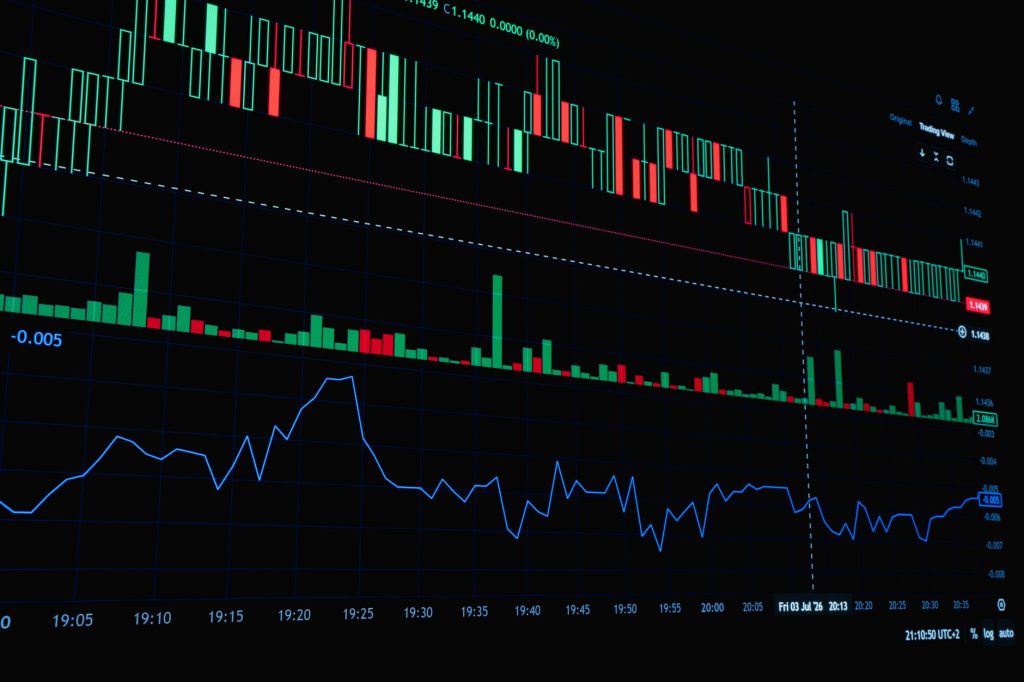
Indian equities slump significantly today, driven by rising crude oil prices and concerns over Federal Reserve rate hikes. Market sentiment has turned negative, affecting key indices.
Market Overview: Today’s Performance
In a turbulent trading session, Indian equities slump significantly as investors react to a combination of rising crude oil prices and persistent concerns over potential interest rate hikes by the Federal Reserve. The benchmark indices, Sensex and Nifty, experienced sharp declines, reflecting widespread uncertainty in the market.
Market analysts noted that the surge in crude oil prices has added to inflationary pressures, prompting fears of tighter monetary policy. As a result, market sentiment turned bearish, leading to a sell-off across various sectors.
- Sensex fell by over 800 points, closing at its lowest level in months.
- Nifty dropped below the 18,000 mark, marking a significant psychological threshold.
- Key sectors, including financials and energy, were among the hardest hit.
Investors are closely monitoring global cues, particularly any announcements from the Federal Reserve that could impact market dynamics. With volatility expected to continue, many market participants are adopting a cautious approach. The slump in Indian equities has raised questions about the sustainability of the recent market rally and the overall economic outlook.
Factors Behind the Decline
Several factors have contributed to the recent downturn in Indian equities, leading to a significant slump in the market. Analysts point to a combination of global economic concerns and domestic challenges that have unsettled investors.
- Crude Oil Prices: A surge in crude oil prices has raised alarm among market participants, as rising energy costs can impact inflation and consumer spending. The increase in oil prices has a cascading effect on various sectors, particularly those reliant on fuel.
- Federal Reserve Policy: Ongoing jitters regarding the Federal Reserve’s monetary policy have also played a crucial role. As the Fed signals potential interest rate hikes, investors are concerned about the implications for emerging markets like India. This uncertainty has led to cautious trading and a sell-off in equities.
- Global Market Trends: The performance of global markets has further influenced Indian equities. Weakness in major indices, driven by fears of a slowing economy, has reverberated in the Indian stock market.
- Domestic Economic Indicators: Additionally, disappointing domestic economic indicators have raised red flags. Sluggish growth in key sectors has heightened fears of an economic slowdown, prompting many investors to reassess their positions.
As these factors converge, the outlook for Indian equities remains uncertain, with many anticipating further volatility in the near term.
Impact of Crude Oil Prices
The recent plunge in Indian equities has been significantly influenced by the surge in crude oil prices. As oil prices escalated, investor sentiment turned bearish, leading to a widespread sell-off in the markets. The rising costs of crude oil have raised concerns regarding inflation and the overall economic outlook, further complicating the situation amidst Fed rate jitters.
Analysts suggest that the spike in crude prices could have several ramifications for the Indian economy, including:
- Increased Inflation: Higher oil prices typically lead to increased transportation and production costs, which can drive up the prices of goods and services.
- Trade Deficit Worsening: India is a net importer of oil, and rising prices can exacerbate the trade deficit, putting additional pressure on the Indian rupee.
- Impact on Growth: Higher energy costs may hinder economic growth, affecting corporate earnings and consequently the stock market.
Market participants are closely monitoring developments in crude oil as the ongoing volatility could further exacerbate the slump in Indian equities. The dual pressure from soaring oil prices and Fed rate concerns has created a challenging landscape for investors, prompting many to reassess their positions in the market.
Federal Reserve Rate Concerns
Concerns surrounding the Federal Reserve’s interest rate decisions have significantly impacted investor sentiment, contributing to the recent slump in Indian equities. As global markets react to hints of potential rate hikes, volatility has surged, leaving many investors anxious about the direction of the economy.
The Fed’s ongoing battle against inflation has led to speculation that further tightening of monetary policy may be on the horizon. This uncertainty has created a ripple effect, causing investors to reassess their portfolios and seek safer havens.
Key points of concern include:
- Increased borrowing costs: Higher interest rates typically translate to increased costs for businesses and consumers, potentially slowing economic growth.
- Market volatility: Uncertainty surrounding monetary policy can lead to heightened fluctuations in stock prices, affecting investor confidence.
- Global implications: As the Fed pivots towards a more aggressive stance, emerging markets like India may face capital outflows as investors seek stability in developed economies.
This combination of factors has led to a drop in market indices, with many analysts warning that the worst may not be over for Indian equities. The ongoing Fed jitters remain a significant concern for investors navigating this turbulent landscape.
Future Outlook for Investors
As Indian equities slump in the wake of heightened volatility, investors are left grappling with uncertainty regarding future market performance. Analysts suggest that the near-term outlook may remain turbulent as global economic factors continue to influence local markets.
In light of the recent Fed rate concerns, which have rattled investor confidence, market participants should consider several strategies:
- Diversification: Spreading investments across various sectors can help mitigate risks associated with market downturns.
- Focus on fundamentals: Identifying companies with strong balance sheets and consistent cash flows may provide a safer haven amid market fluctuations.
- Long-term perspective: Investors are encouraged to maintain a long-term view, as short-term volatility can often lead to missed opportunities.
- Stay informed: Keeping abreast of economic indicators, policy changes, and global events can assist investors in making informed decisions.
Market experts advise that while the current situation appears challenging, corrections in equity markets can also present buying opportunities for savvy investors. Ultimately, understanding the reasons behind the Indian equities slump may help guide strategic investment choices moving forward.
The recent Indian equities slump has raised concerns among investors about the potential long-term impacts of rising interest rates. Analysts suggest that the Indian equities slump could be a sign of broader economic uncertainty fueled by Fed jitters.
Photo by Rafael Minguet Delgado on Pexels
Sources
Rentomojo IPO price band: Smart insights on ₹384-404 range · Nang Brisbane: Everything You Need to Know About Cream Charger Delivery in 2026 · How Sex Crime Cases Are Investigated: A Guide for Defendants and Families