How To Create An Emergency Fund Before Taking On New Debt
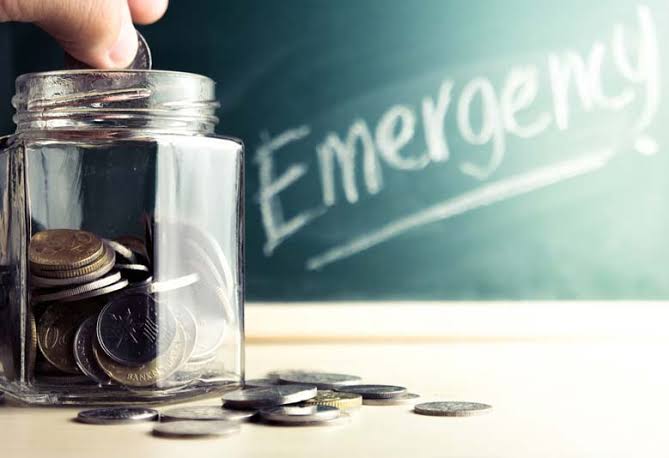
Unexpected expenses can disrupt even a carefully planned budget. A medical bill, urgent home repair, temporary income loss, or vehicle breakdown can leave you searching for money at short notice. Without savings to fall back on, borrowing may seem like the only practical solution.
Building an emergency fund before taking on new debt can help you handle these situations without putting additional pressure on your monthly finances. It does not require a large income or substantial savings to get started. With a realistic target, regular contributions, and a clear plan for using the money, you can gradually build a financial safety net.
Start By Understanding Your Financial Position
Before deciding how much to save, examine your current income, expenses, existing repayments, and financial responsibilities.
Begin by listing your essential monthly costs, including:
- Rent or home loan payments
- Groceries and household supplies
- Electricity, water, and internet bills
- Transport and fuel
- Insurance premiums and medical expenses
- Existing loan EMIs and other required repayments
Separate these expenses from optional spending, such as entertainment, dining out, and non-essential shopping.
This exercise helps you identify how much money is available for savings without neglecting important bills. It also shows whether taking on another loan would make your budget difficult to manage.
Calculate A Practical Emergency Fund Target
An emergency fund should be based on your essential expenses rather than your total salary. A common starting goal is to save enough to cover one month of essential costs, then gradually build towards three to six months.
For example, consider the following monthly budget:
| Essential expense | Monthly amount |
| Housing | ₹8,000 |
| Food and household needs | ₹5,000 |
| Utilities and phone | ₹1,500 |
| Transport | ₹2,000 |
| Medical and insurance costs | ₹1,500 |
| Total essential expenses | ₹18,000 |
With essential expenses of ₹18,000 per month, an initial target could be ₹18,000. A three-month reserve would be ₹54,000, while a six-month reserve would be ₹1,08,000.
These figures are examples, not fixed requirements. Someone with a stable income and few dependants may choose a smaller reserve initially, while a freelancer, sole earner, or person with substantial family responsibilities may need a larger cushion.
Build The Fund Without Overloading Your Budget
Saving becomes easier when it is treated as a regular expense rather than something you do only when money is left over.
Choose A Realistic Monthly Contribution
Start with an amount you can maintain consistently. Even ₹500 or ₹1,000 per month can help establish the habit.
The following table shows how regular contributions can accumulate, excluding interest:
| Monthly savings | After 6 months | After 12 months |
| ₹500 | ₹3,000 | ₹6,000 |
| ₹1,000 | ₹6,000 | ₹12,000 |
| ₹2,000 | ₹12,000 | ₹24,000 |
| ₹3,000 | ₹18,000 | ₹36,000 |
If your income varies, use a smaller fixed contribution as your baseline and add more during months when you earn extra.
Automate Your Savings
Set up a recurring transfer to a separate savings account shortly after receiving your salary. This reduces the temptation to spend the money first and save whatever remains.
Keep the transfer small enough that you can still cover your essential bills and existing loan repayments on time.
Redirect Unused Spending
Review your recent expenses and look for categories where modest changes are possible. Reducing unnecessary subscriptions, limiting impulse purchases, or planning meals ahead may free up money for your emergency fund.
You do not need to eliminate every enjoyable expense. A sustainable budget is generally easier to follow than an extremely restrictive one.
Keep Emergency Money Accessible
The purpose of an emergency fund is to provide quick access to cash when an unexpected expense arises. Therefore, safety and liquidity should take priority over chasing high returns.
A separate savings account or another suitable, readily accessible deposit option may work for this purpose. Check withdrawal conditions, minimum balances, and any applicable charges before choosing where to keep the money.
Some people prefer to save in gold as part of their broader financial plans. However, gold prices can fluctuate, and selling gold may take time or involve transaction costs. Physical gold can also create storage and security concerns. For these reasons, gold should not replace the liquid portion of an emergency fund that you may need immediately.
If you choose to hold gold as a separate investment, understand its risks and avoid assuming that its value will always remain stable when you need to sell it.
Decide Whether You Need A Loan Right Now
An emergency fund and a loan serve different purposes. Savings allow you to use money you already have, while borrowing creates a repayment obligation that may continue for months or years.
Before taking on new debt, ask yourself three questions:
Is the expense urgent? Essential medical care or a critical repair may require immediate action, whereas a discretionary purchase can often wait.
Can I cover part of the cost through savings? Using available savings may reduce the amount you need to borrow, provided you retain enough money for other immediate necessities.
Can I afford the repayments? Estimate the EMI alongside rent, household expenses, existing debt, and regular savings. Do not judge affordability only by whether a lender approves the application.
If you are considering an easy instant loan app, review the lender’s identity, interest rate, processing fees, repayment schedule, late-payment charges, and total repayment amount before accepting an offer. Fast approval does not necessarily mean the loan is affordable.
What If You Already Have Debt?
You do not always need to build a complete emergency fund before addressing existing debt. The right balance depends on your circumstances.
If you have no savings at all, creating a small starter reserve may help prevent every unexpected expense from becoming another borrowing requirement. Continue making required debt payments while setting aside a manageable amount.
Once you have a basic cushion, consider directing additional funds towards high-interest debt while gradually increasing your emergency savings. Compare the cost of borrowing with the benefit of holding extra cash, and avoid missing contractual repayments to meet a savings target.
If your EMIs already consume most of your income, review your budget and contact your lender early if repayment difficulties arise. Taking another loan simply to cover routine expenses can create a cycle of borrowing that becomes harder to escape.
Protect The Fund From Everyday Spending
An emergency fund works only when the money remains available for genuine needs.
Set clear rules for withdrawals. Appropriate uses may include an urgent medical bill, an essential home repair, or necessary expenses during an unexpected loss of income. Planned holidays, shopping, and routine lifestyle purchases generally belong in a separate savings goal.
After using the fund, make rebuilding it part of your budget. You do not have to restore the full amount immediately, but restarting contributions helps rebuild your protection over time.
Review the target whenever your circumstances change. A salary increase, a new dependant, a change in housing costs, or a new loan may affect how much you need to keep aside.
A Simple 30-Day Starting Plan
You can begin building your fund with a few manageable actions over the next month.
- Week 1: Calculate essential monthly expenses and list existing debt payments.
- Week 2: Choose a starter target and identify an affordable contribution.
- Week 3: Open or designate a separate account and arrange a recurring transfer.
- Week 4: Review spending, make your first contribution, and adjust the budget if necessary.
At the end of the month, assess whether your contribution was manageable. Increase it gradually when your finances allow, rather than setting an ambitious target that forces you to borrow again.
Conclusion
An emergency fund can give you greater flexibility when unexpected costs arise and help reduce dependence on new debt. Start with a realistic savings target, make regular contributions, and keep the money somewhere safe and accessible.
Before accepting another loan, evaluate whether the expense is essential, how much you can cover yourself, and whether the repayments fit your budget. A small financial cushion built consistently can make future borrowing decisions more deliberate and less stressful.
FAQs
1. How much should I save in an emergency fund?
A useful long-term target is three to six months of essential expenses. If that seems difficult, begin with one month’s expenses or a smaller starter amount and build gradually.
2. Should I build an emergency fund before taking a loan?
If possible, establish at least a small reserve before taking on new debt. However, urgent necessities and existing repayment obligations must also be considered.
3. Can I use gold as my emergency fund?
Gold can be part of a broader investment portfolio, but its price can fluctuate and selling it may take time or incur costs. Keep money for immediate emergencies in a readily accessible form.
4. Where should I keep my emergency savings?
Consider a separate savings account or another suitable low-risk option that allows timely access. Review withdrawal restrictions, fees, and other conditions before choosing.
5. What if I cannot save because of existing EMIs?
Start with a very small contribution if your budget permits, maintain required repayments, and review avoidable expenses. If your debt payments are becoming unmanageable, contact your lender to discuss possible options before missing a payment.