
Frozen Food Manufacturing: Proven Strategies for Success
Frozen food manufacturing is rapidly evolving, and understanding its trends is crucial for startups.
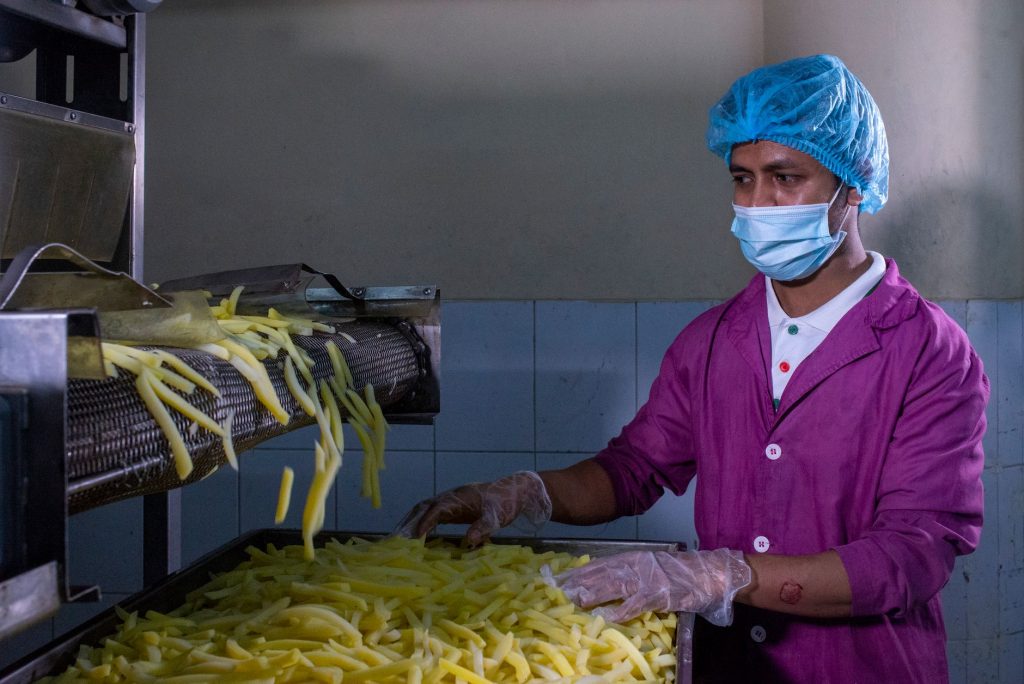
frozen food manufacturing is becoming a game changer for startups like Protein Pantry. With recent seed funding, the company aims to scale its in-house production capabilities.
Introduction to Frozen Food Manufacturing
Frozen food manufacturing has seen significant growth in recent years, driven by increasing consumer demand for convenient meal solutions. As busy lifestyles become the norm, more people are turning to frozen foods for their ease of preparation and extended shelf life.
Companies like Protein Pantry, which recently raised Rs 9 Cr in seed funding, are capitalizing on this trend by expanding their in-house frozen food manufacturing capabilities. This funding will enable them to enhance production and offer a wider variety of products, meeting the diverse tastes and preferences of consumers.
The process of frozen food manufacturing involves several critical steps, including:
- Quality sourcing: Selecting fresh ingredients to ensure the final product is nutritious and flavorful.
- Efficient processing: Utilizing advanced techniques to quickly freeze foods, preserving their taste and texture.
- Effective packaging: Using materials that maintain product quality while also appealing to consumers.
As the industry evolves, understanding these strategies can provide a competitive edge for businesses looking to succeed in the frozen food market.
Investment Trends in Food Startups
Recent trends in investment within the food startup sector indicate a growing interest in frozen food manufacturing. As consumers increasingly seek convenient meal options, investors are recognizing the potential for growth in this market.
One notable example is Protein Pantry, which successfully raised Rs 9 crore in seed funding. This investment aims to enhance their in-house frozen food manufacturing capabilities, allowing them to expand their product range and improve operational efficiency.
Investors are particularly attracted to startups that demonstrate:
- Innovative recipes: Unique flavors and health-focused offerings are gaining traction.
- Quality ingredients: Consumers are more discerning, favoring brands that use high-quality, natural components.
- Sustainable practices: Companies that prioritize environmentally friendly manufacturing processes stand out in a competitive landscape.
- Robust distribution networks: Efficient logistics can significantly impact a startup’s ability to scale.
As the demand for frozen food continues to rise, these investment trends signal a promising future for food startups that excel in frozen food manufacturing.
Challenges in Scaling Production
As the demand for frozen food continues to rise, manufacturers face several challenges in scaling their production to meet this growing market. One of the primary obstacles is maintaining quality control while increasing output. Ensuring that products remain safe and retain their nutritional value is crucial in the frozen food manufacturing process.
Additionally, supply chain management poses significant challenges. Disruptions in the supply of raw materials can lead to delays in production and increased costs, making it difficult for manufacturers to keep pace with consumer demand. Moreover, the need for advanced technology and equipment can require substantial investment, which may be a barrier for smaller companies.
To navigate these challenges, companies must adopt innovative strategies. Key considerations include:
- Streamlining operations to enhance efficiency.
- Investing in automation to reduce labor costs.
- Implementing robust quality assurance measures throughout the production process.
By addressing these challenges effectively, frozen food manufacturers can successfully scale their operations and capitalize on the opportunities within the market.
Protein Pantry’s Growth Strategy
Protein Pantry, a rising star in the frozen food manufacturing sector, has recently secured Rs 9 crore in seed funding to enhance its in-house production capabilities. This financial boost is set to accelerate the company’s growth strategy, which focuses on expanding its frozen food product line while ensuring quality and sustainability.
Key components of Protein Pantry’s growth strategy include:
- Product Diversification: The company aims to introduce a variety of protein-rich frozen meals, catering to health-conscious consumers.
- Technology Integration: By adopting advanced manufacturing technologies, Protein Pantry plans to streamline production processes and improve efficiency.
- Sustainable Sourcing: The company is committed to sourcing raw materials from sustainable farms, aligning with consumer preferences for eco-friendly products.
- Market Expansion: With the new funding, Protein Pantry will expand its distribution network, targeting both online and offline retail channels.
Through these strategic initiatives, Protein Pantry is well-positioned to become a leader in the frozen food manufacturing industry, responding to the growing demand for convenient and nutritious meal options.
Future of Frozen Foods in India
The future of frozen food manufacturing in India looks promising, driven by changing consumer preferences and increasing demand for convenient meal options. As urbanization continues to rise, more consumers are seeking quick and easy solutions without compromising on quality. This shift is expected to significantly boost the frozen food market in the coming years.
Key trends influencing the future of frozen foods in India include:
- Health Consciousness: With a growing emphasis on healthy eating, manufacturers are focusing on producing frozen foods that are not only convenient but also nutritious.
- Local Sourcing: Companies are increasingly sourcing ingredients locally to ensure freshness and support local farmers, which enhances their brand appeal.
- Innovation in Flavors: As palates evolve, the introduction of diverse flavors and cuisines is attracting a wider audience to frozen food options.
- Sustainability Practices: There is a rising demand for environmentally-friendly packaging and processes, prompting manufacturers to adopt sustainable practices.
As seen with companies like Protein Pantry, innovative strategies in frozen food manufacturing will play a crucial role in shaping the industry and meeting consumer needs.
Photo by Tanvir Khondokar on Pexels