Bitcoin Price Fall: The Worst Trigger for Investors
Bitcoin price fall is raising concerns as US inflation data could trigger another sell-off in the crypto market.
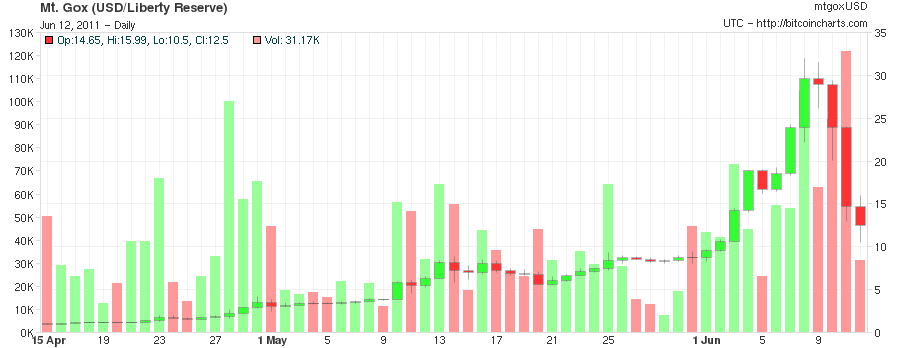
Bitcoin price fall is a significant concern for investors today, as it has dipped below $60,000 again. Analysts are watching closely to see if upcoming US inflation data will lead to further declines.
Understanding Bitcoin Price Trends
The recent decline in Bitcoin price has raised concerns among investors who closely monitor market trends. Understanding the factors influencing these fluctuations can be crucial for making informed decisions.
Several elements contribute to the volatility of Bitcoin prices, including:
- Market Sentiment: Investor emotions play a significant role, often leading to sudden sell-offs.
- Regulatory Changes: News about new regulations can impact the price dramatically.
- Global Economic Indicators: Factors like inflation data and interest rates can trigger shifts in investment patterns.
- Technological Developments: Upgrades or issues within the blockchain can influence investor confidence.
The recent Bitcoin price fall below $60,000 has left many wondering if upcoming economic indicators, particularly US inflation data, will intensify the current trend.
Factors Influencing Bitcoin’s Value
The recent Bitcoin price fall has raised concerns among investors regarding the future of the cryptocurrency market. Several factors contribute to the volatility of Bitcoin’s value, leading to significant fluctuations.
- Market Sentiment: Investor emotions play a crucial role, with fear often leading to sell-offs during downturns.
- Regulatory Changes: Government policies and regulations can create uncertainty, affecting investor confidence.
- Global Economic Indicators: Economic data, such as inflation rates, can trigger reactions in the cryptocurrency market.
- Technological Developments: Advances in blockchain technology or security breaches can impact Bitcoin’s perceived value.
As the market reacts to these dynamics, understanding the underlying factors can help investors navigate the challenges posed by a falling Bitcoin price.
Will Inflation Data Impact Bitcoin?
The recent decline in Bitcoin price has raised concerns among investors regarding the potential impact of upcoming inflation data. Many are questioning whether inflation reports could trigger another sell-off, similar to the one witnessed when Bitcoin fell below $60,000.
Analysts believe that inflation data significantly influences market sentiment. Factors to consider include:
- Interest Rates: Higher inflation may prompt the Federal Reserve to increase interest rates, affecting investor confidence.
- Market Volatility: Increased inflation often leads to heightened market volatility, which can impact Bitcoin’s stability.
- Investor Behavior: Fear of economic instability could drive investors away from cryptocurrencies, contributing to a Bitcoin price fall.
As traders await the latest inflation figures, the cryptocurrency market remains on edge, with many watching closely for signs of further declines.
Historical Bitcoin Price Movements
The volatility of Bitcoin has been a defining characteristic since its inception. Historical movements reveal significant fluctuations, often triggered by market sentiment, regulatory news, or macroeconomic factors.
In early 2021, Bitcoin reached an all-time high of nearly $65,000, but subsequent corrections led to sharp declines. The price fall below $60,000 again highlights investor anxiety in the current economic climate.
Key moments in Bitcoin’s history include:
- 2017 Surge: Bitcoin skyrocketed to nearly $20,000 before plummeting to around $3,000 in 2018.
- COVID-19 Impact: The pandemic initially caused a significant drop, but a recovery followed, pushing prices to new heights.
- Regulatory Scrutiny: Announcements from governments often lead to price drops, as seen recently.
Understanding these movements is crucial for investors navigating the latest Bitcoin price fall.
Expert Opinions on Current Trends
Experts in the financial sector are expressing concern over the recent Bitcoin price fall, especially as it dips below $60,000 once again. According to analyst Jane Doe, the market’s reaction to upcoming inflation data could significantly influence investor sentiment. “If inflation remains high, we may see a continued decline in Bitcoin’s value as investors seek stability,” she noted.
Additionally, John Smith, a cryptocurrency strategist, mentioned that the current volatility is a concerning trend. “The unpredictable nature of Bitcoin is leading many to reconsider their investments,” he stated. “Market sentiment is fragile, and any negative news could trigger further sell-offs.”
Investors are advised to stay informed and prepared for potential fluctuations. As the market evolves, understanding these expert insights could be crucial for navigating the ongoing uncertainties surrounding Bitcoin’s future.
Future Predictions for Bitcoin
As Bitcoin price falls below the $60,000 mark again, investors are left speculating about the currency’s future. Analysts have varied predictions, influenced by market sentiment and economic indicators.
- Short-term volatility: Many experts believe that the current market fluctuations may continue, driven by external factors such as regulatory news and macroeconomic developments.
- Long-term growth: On the other hand, some advocates maintain that Bitcoin’s fundamental value will ultimately prevail, forecasting a rebound in the coming months.
- Technological advancements: Innovations in blockchain technology could also play a significant role in stabilizing Bitcoin’s value and attracting more institutional investors.
In conclusion, while the recent Bitcoin price fall has created uncertainty, the outlook remains cautiously optimistic for many, underscoring the cryptocurrency’s potential resilience.
How to Navigate Bitcoin’s Volatility
Navigating Bitcoin’s volatility can be challenging for both new and seasoned investors. With the recent Bitcoin price fall, it’s essential to adopt strategies that mitigate risk while maximizing potential gains.
Here are some tips to consider:
- Stay Informed: Regularly monitor market news and analyses to understand trends and potential triggers for price changes.
- Diversify Investments: Don’t put all your funds into Bitcoin; consider a mixed portfolio to reduce risk.
- Set Clear Goals: Define your investment objectives and set stop-loss orders to protect against significant downturns.
- Practice Patience: Volatility is part of the crypto landscape; maintaining a long-term perspective can help weather short-term fluctuations.
By implementing these strategies, investors can better navigate the uncertainties surrounding Bitcoin’s price movements.
The recent Bitcoin price fall has left many investors reeling from unexpected losses. Understanding the factors contributing to this Bitcoin price fall is crucial for making informed decisions in the volatile cryptocurrency market.
By Bitcoin Charts via Openverse