
Ultimate Guide To Tripod Stand: Best Tips & Recommendations
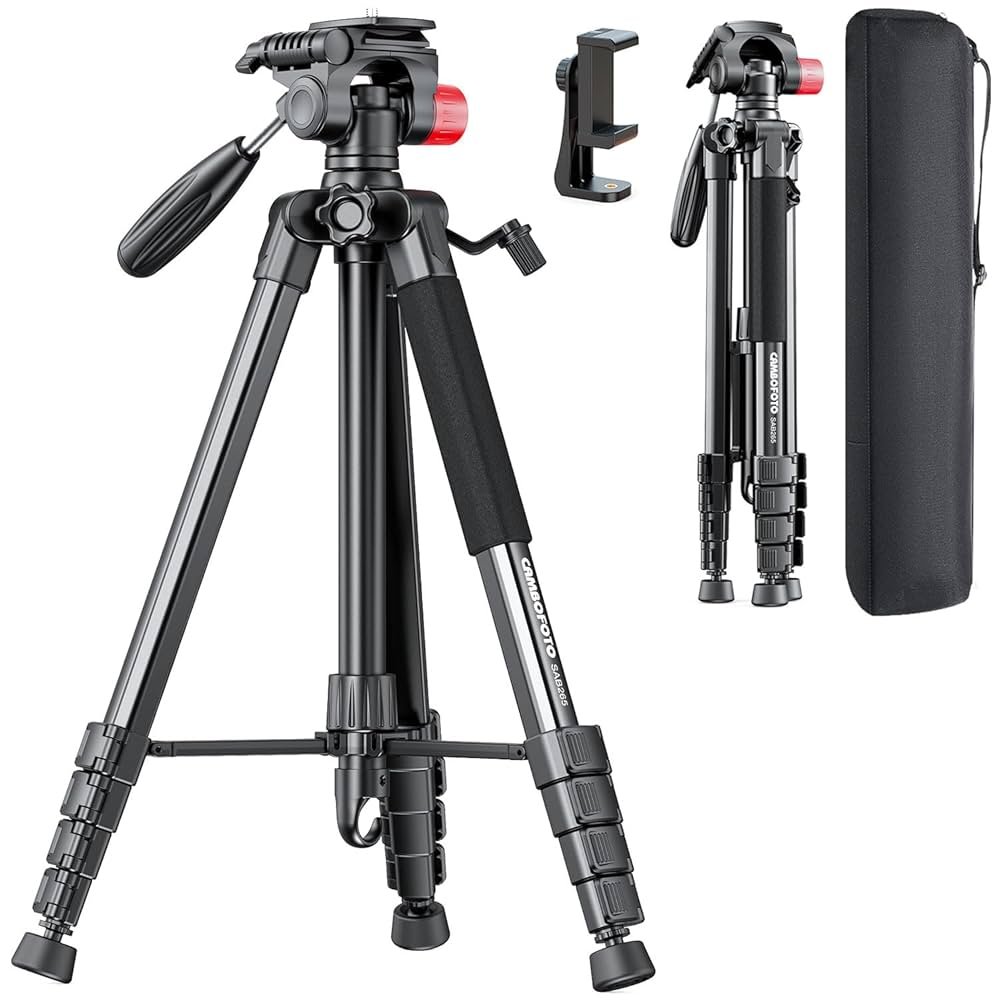
A tripod stand is a versatile tool that offers stability and support for various devices and equipment. Whether you’re a photographer capturing breathtaking landscapes or a musician performing on stage, a reliable tripod stand can make all the difference in achieving the perfect shot or performance. With its three sturdy legs and adjustable height, a tripod stand ensures your equipment remains secure and steady, allowing you to focus on your craft without any worries. Find out why a tripod stand is a must-have accessory for professionals and hobbyists alike in this insightful blog article.

The Wonderful World of Tripod Stands: A Guide to Stability and Versatility
Welcome, young explorers, to the exciting realm of tripod stands! Have you ever wondered about those three-legged wonders that hold cameras, telescopes, and even microphones steady? In this special guide, we will take a deep dive into the fascinating world of tripod stands. So, grab your magnifying glass and let’s begin our journey!
What is a Tripod Stand?
Let’s start at the very beginning. A tripod stand is a three-legged support structure used to hold various objects in place. The word “tripod” itself comes from the Greek words “tri,” meaning three, and “pod,” meaning foot. Just like a stool with three legs, a tripod stand provides stability and balance, making it perfect for supporting equipment that needs to remain steady.
The Anatomy of a Tripod Stand
A typical tripod stand consists of three main parts: the legs, the head, and the center column. The legs are the foundation of the tripod, providing stability and support. They are usually adjustable in height to suit different needs. The head is the top part of the tripod where the equipment is attached. It allows for smooth movements and adjustments. Finally, the center column connects the legs to the head, adding extra height when needed.
Types of Tripod Stands
Did you know that there are different types of tripod stands designed for various purposes? Let’s explore some of the most common types:
Camera Tripod Stands
Camera tripod stands are perhaps the most recognizable type of tripod. They are used by photographers to keep their cameras steady while capturing beautiful images. Camera tripods come in various sizes and materials, offering different levels of stability and portability. Whether you are a beginner photographer or a seasoned pro, a reliable camera tripod stand is a must-have tool in your kit.
Telescope Tripod Stands
For all the stargazers out there, telescope tripod stands are essential for observing the night sky. These sturdy tripods provide a stable base for telescopes, allowing you to explore the wonders of the universe with precision and clarity. Whether you’re tracking distant galaxies or studying the phases of the moon, a telescope tripod stand is your window to the cosmos.
Microphone Tripod Stands
When it comes to audio recording, microphone tripod stands play a crucial role in capturing clear and crisp sound. These versatile tripods come in various designs, including tabletop stands for podcasters and floor stands for live performances. With a microphone tripod stand, you can ensure that your voice is heard loud and clear.
Benefits of Using a Tripod Stand
Now that you know what tripod stands are and the different types available, let’s delve into the benefits of using a tripod stand for your equipment:
Stability
One of the primary advantages of using a tripod stand is the stability it provides. By having three legs firmly planted on the ground, a tripod minimizes vibrations and movements, resulting in sharper images, clearer sound, and more precise observations. Whether you’re taking a long-exposure photograph or recording a video, a tripod stand ensures a steady shot every time.
Flexibility
Another great benefit of tripod stands is their flexibility. Most tripods offer adjustable leg lengths and head positions, allowing you to position your equipment at the perfect angle. Whether you need to capture a low-angle shot, a panoramic view, or a close-up image, a tripod stand gives you the freedom to explore different perspectives with ease.
Portability
Despite their sturdy construction, tripod stands are surprisingly portable. Many tripods are designed to be lightweight and collapsible, making them easy to carry around on outdoor adventures or photo shoots. With a compact tripod stand in your bag, you can set up your equipment anywhere and anytime, ensuring that you never miss a perfect shot.
Choosing the Right Tripod Stand
Now that you understand the importance of tripod stands, how do you choose the right one for your needs? Here are some tips to help you select the perfect tripod stand:
Consider the Weight
Before purchasing a tripod stand, make sure to check the weight capacity it can support. Different tripods are designed to handle various loads, so pick one that can comfortably hold your equipment without wobbling or tipping over. For heavier cameras or telescopes, opt for a more robust tripod with a higher weight limit.
Check the Height Range
Ensure that the tripod stand you choose offers the height range you need for your projects. Whether you prefer shooting from a higher vantage point or setting up close to the ground, a tripod with adjustable legs and center column will give you the flexibility to adjust the height as required.
Look for Stability Features
When selecting a tripod stand, look for additional stability features such as rubber feet for better grip on different surfaces, a hook for hanging weights to prevent tipping in windy conditions, and quick-release leg locks for easy setup and disassembly. These features can enhance the performance and usability of your tripod stand.
Caring for Your Tripod Stand
Just like any other tool, a tripod stand requires proper care and maintenance to ensure its longevity and performance. Here are some tips for keeping your tripod stand in top condition:
Keep It Clean
Regularly clean your tripod stand to prevent dirt and debris from affecting its functionality. Use a soft brush or cloth to remove dust and grime from the legs, joints, and head of the tripod. Avoid exposing your tripod to harsh chemicals or abrasive materials that could damage its finish.
Store It Properly
When not in use, store your tripod stand in a cool, dry place away from humidity and extreme temperatures. Consider using a carrying case or bag to protect the tripod from scratches and dents during transport. Proper storage will help prolong the life of your tripod stand.
Inspect for Damage
Periodically inspect your tripod stand for any signs of wear or damage, such as loose screws, cracked joints, or bent legs. If you notice any issues, address them promptly to prevent further damage. Regular maintenance will ensure that your tripod stand remains reliable and safe to use.
Congratulations, young adventurers, you have now embarked on a thrilling journey through the world of tripod stands! From their humble beginnings to their essential role in photography, astronomy, and audio recording, tripod stands are true marvels of stability and versatility. Remember to choose the right tripod stand for your equipment, take good care of it, and let your creativity soar to new heights with steady and reliable support. Happy exploring!
The best Tripod EVER…? (ft: Ulanzi Tree root)
Frequently Asked Questions
What are the key features to look for in a tripod stand?
When choosing a tripod stand, consider the maximum load capacity it can handle, the adjustable height range, the materials used for durability, the stability of the legs, and the compatibility with your devices or equipment.
How do I set up a tripod stand for stability?
To ensure stability, extend the legs evenly on a flat surface, adjust the height to your desired level, and make sure all locking mechanisms are securely in place. Tighten any necessary knobs or levers to keep the tripod steady.
Can a tripod stand accommodate different types of devices?
Most tripod stands come with universal mounting plates or adapters that allow them to support various devices such as cameras, camcorders, smartphones, and tablets. Make sure to check the compatibility of your equipment with the tripod stand before purchasing.
How should I maintain and store my tripod stand?
To prolong the life of your tripod stand, regularly clean it with a soft cloth, avoid exposing it to harsh conditions or extreme temperatures, and store it in a dry place when not in use. Make sure to retract the legs and fold it compactly for safe storage.
Final Thoughts
In conclusion, the tripod stand is an essential tool for photographers and videographers. Its stability, versatility, and portability make it a must-have for capturing stunning shots. Whether you’re a professional or an amateur, investing in a high-quality tripod stand can greatly enhance the quality of your work. Don’t underestimate the importance of a reliable tripod stand in achieving sharp, steady images and smooth video footage. Embrace the tripod stand as your trusted companion for all your photography and filming needs.