Nifty 50 bearish turn: Market slips below 200-DMA
Nifty 50 bearish turn raises concerns as it slips below the 200-DMA, signaling potential market shifts.
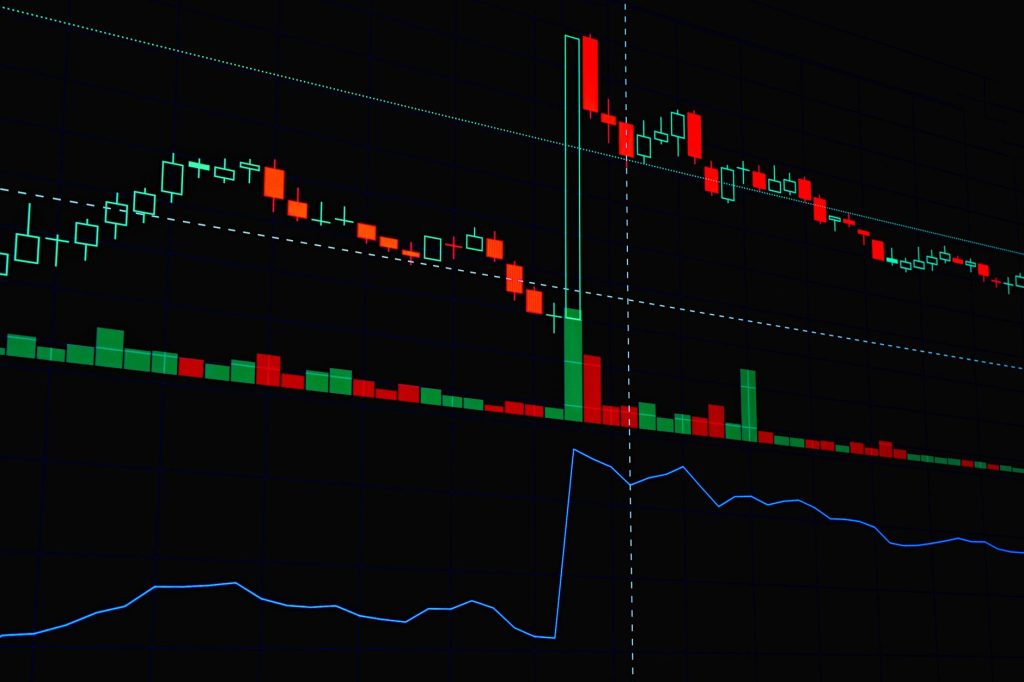
Nifty 50 bearish turn is evident as the index slips further below the crucial 200-DMA, raising fears among investors about a potential market downturn.
Understanding the 200-DMA
The 200-day moving average (200-DMA) is a widely used indicator in technical analysis, offering insights into the long-term trend of a stock or index. When an asset trades below its 200-DMA, it can signal a bearish turn, prompting concerns among investors. The Nifty 50, a key benchmark index in India, recently slipped below its 200-DMA, raising fears of a bearish turn in the market.
The 200-DMA is calculated by averaging the closing prices of the past 200 days, smoothing out short-term fluctuations to provide a clearer picture of the overall trend. Traders often look at this average to determine potential support and resistance levels. A break below the 200-DMA can indicate a shift in market sentiment, suggesting that selling pressure is overpowering buying interest.
In the context of the Nifty 50, analysts suggest that the recent decline below this critical threshold could lead to increased volatility and further losses. Investors should remain cautious, as the index’s movement in relation to its 200-DMA will be closely monitored for any signs of recovery or continued weakness.
As market conditions evolve, it is essential for traders and investors to keep an eye on this indicator, as its implications could shape trading strategies and investment decisions moving forward.
Market Reactions to Nifty 50
The recent decline in the Nifty 50 index has sent ripples through the market, leading to increased apprehension among investors. As the index slipped below the crucial 200-day moving average (DMA), many market participants expressed concerns over a potential bearish turn.
Analysts have noted several factors contributing to this downturn, which include:
- Global Market Trends: International markets have shown volatility, influencing investor sentiment locally.
- Economic Indicators: Recent economic data points to slower growth, raising questions about future performance.
- Sector Performance: Key sectors such as technology and finance have reported lower-than-expected earnings, prompting sell-offs.
Investor reactions have varied, with some choosing to adopt a cautious approach while others have seized the opportunity to buy into stocks at lower prices. “The slip below the 200-DMA is a significant technical indicator that cannot be ignored,” commented a market analyst. “It raises valid concerns about the sustainability of the current rally.”
As the situation develops, many are keeping a close eye on the Nifty 50 for signs of recovery or further declines. The market remains in a state of flux, with the bearish sentiment driving discussions on potential strategies moving forward.
What Investors Should Know
The recent decline of the Nifty 50 index below the crucial 200-day moving average (DMA) has raised significant concerns among investors. A bearish turn in the market often signals a period of prolonged downturn, which can affect various sectors differently.
Investors should consider the following points:
- Market Sentiment: A bearish trend often leads to increased volatility and can result in panic selling. Understanding market sentiment is crucial for making informed decisions.
- Technical Indicators: It’s important to monitor other technical indicators alongside the 200-DMA
Historical Trends of Nifty 50
The historical trends of the Nifty 50 index reveal significant patterns that often precede major market movements. Analyzing past performances can provide crucial insights into the current bearish turn observed in the market. Over the last decade, the Nifty 50 has experienced several instances where falling below critical moving averages, such as the 200-day moving average (DMA), has signaled a shift in investor sentiment.
Notably, in previous downturns, the index often struggled to regain its footing after slipping below the 200-DMA. This trend has raised concerns among traders and investors alike, as historical data suggests that such bearish turns can lead to prolonged periods of underperformance. The following factors have typically influenced these trends:
- Economic Indicators: Key economic metrics, including GDP growth and inflation rates, often correlate with shifts in market direction.
- Global Market Trends: External factors such as geopolitical tensions and international economic developments can also impact the Nifty 50.
- Investor Sentiment: Market psychology plays a critical role; fear and uncertainty can exacerbate declines once a bearish turn is established.
As investors monitor the Nifty 50’s recent movements, understanding these historical trends becomes essential in navigating potential risks in the current market environment.
Impact of Economic Indicators
The recent decline of the Nifty 50 below its 200-day moving average (DMA) has heightened concerns about a potential bearish turn in the market. Several economic indicators contribute to this sentiment, influencing investor confidence and market stability.
Firstly, inflation rates continue to pose a challenge, with rising prices affecting consumer spending power. A persistent increase in inflation can lead to tighter monetary policies, which may further dampen market sentiment. Investors are closely monitoring the Reserve Bank of India’s responses to these inflationary pressures.
Secondly, employment data reflects the overall health of the economy. Recent reports indicate a slowdown in job creation, which could signal broader economic weakness. A decline in employment can reduce disposable income, leading to decreased consumer confidence and spending.
Additionally, global economic trends play a crucial role. The ongoing geopolitical tensions and supply chain disruptions have led to uncertainty in financial markets worldwide. This uncertainty can exacerbate the bearish turn of the Nifty 50, as investors become more risk-averse.
Overall, these economic indicators are interlinked, influencing investor sentiment and market dynamics. As the Nifty 50 navigates this challenging landscape, understanding the implications of these factors will be essential for investors looking to make informed decisions amid potential volatility.
Expert Opinions on Market Outlook
As the Nifty 50 slips further below the 200-DMA, market experts are expressing concerns about a potential bearish turn. Market analysts believe that the recent decline signals a shift in investor sentiment and may lead to increased volatility in the near term.
According to Rajesh Kumar, a senior market strategist, “The breach of the 200-DMA is a critical psychological level for many investors. It indicates that the market may be losing momentum, and a Nifty 50 bearish turn could be on the horizon.”
Another expert, Neha Gupta, emphasizes the importance of monitoring economic indicators closely. “While technical levels are significant, underlying economic conditions will ultimately dictate the market’s direction. Investors should remain cautious,” she notes.
In contrast, some analysts propose that this downturn could present buying opportunities. Vikram Chatterjee states, “If the Nifty 50 can stabilize and show signs of recovery, it could attract bargain hunters, which may counteract the bearish sentiment.”
Overall, while the current trend raises alarms, experts urge investors to adopt a balanced approach. As the market navigates through this phase, it is crucial to keep an eye on both technical signals and broader economic developments.
Future Predictions for Nifty 50
As the Nifty 50 slips further below the 200-DMA, analysts are beginning to voice concerns regarding a potential bearish turn in the market. This shift has raised questions about future performance and the overall trajectory of the index.
Several key predictions are emerging from market experts:
- Increased Volatility: With the recent decline, analysts anticipate heightened volatility in the near term as investors react to changing market conditions.
- Potential for Further Declines: Some experts suggest that if the Nifty 50 fails to regain the 200-DMA, it could continue to trend downward, potentially testing previous support levels.
- Sector Performance Variations: Market analysts predict that certain sectors may outperform others during this bearish period, with defensive stocks likely to attract more attention from cautious investors.
- Investor Sentiment: The ongoing bearish turn may lead to a more risk-averse sentiment among investors, prompting a shift towards safer assets.
In conclusion, while the outlook for the Nifty 50 remains uncertain, the bearish turn has created a critical juncture for investors. Staying informed and adapting strategies in response to market signals will be essential in navigating this challenging environment.
The recent Nifty 50 bearish turn has raised concerns among investors as the index slips below its crucial 200-DMA. Analysts suggest that this Nifty 50 bearish turn could lead to further declines if market sentiment does not improve soon.
Photo by Rafael Minguet Delgado on Pexels
Read the original
Related reading