
Ultimate Guide To Gas Cylinder Safety Tips
Looking for tips on storing a gas cylinder safely? Store gas cylinders in a well-ventilated area away from heat sources. Keep them upright and secure to…
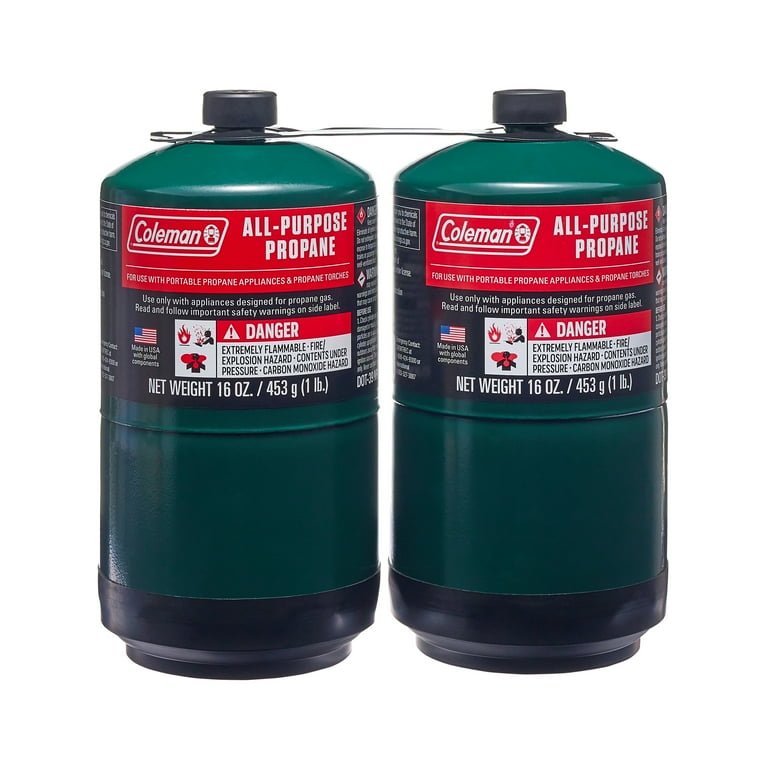
Looking for tips on storing a gas cylinder safely? Store gas cylinders in a well-ventilated area away from heat sources. Keep them upright and secure to prevent any accidents. Remember, proper storage of a gas cylinder is crucial to ensure safety at all times. It’s essential to follow these guidelines diligently. Gas cylinders are commonplace in many households and industries, and understanding the correct storage procedures is key. Now, let’s delve deeper into best practices for gas cylinder storage.

Discovering the Wonders of Gas Cylinders
Welcome, young minds, to a fascinating journey into the world of gas cylinders! You may have seen them in your homes, classrooms, or even in science labs. But have you ever wondered what lies inside these sturdy metal containers? Let’s unravel the mysteries and explore the amazing uses and importance of gas cylinders.
The Basics of Gas Cylinders
Gas cylinders are robust containers made of metal that store various gases under high pressure. They come in different sizes and shapes, ranging from small portable cylinders to large industrial tanks. The most common gases stored in cylinders include oxygen, acetylene, helium, and propane.
Structure of a Gas Cylinder
Imagine a metal tube that resembles a giant, durable soda can. That’s how a gas cylinder looks from the outside. These cylinders have a valve at the top that allows gases to be filled or withdrawn safely. The thick walls of the cylinder are designed to withstand the immense pressure of the gases stored inside.
Importance of Gas Cylinders
Gas cylinders play a crucial role in various aspects of our lives. They are used in homes for cooking and heating, in industries for manufacturing processes, in healthcare for medical gases, and even in outer space for rocket propulsion. Without gas cylinders, many essential functions in our modern world would come to a standstill.
The Science Behind Gas Cylinders
Let’s delve deeper into the science of gas cylinders. These containers operate based on the principles of gas laws, particularly Boyle’s Law and Charles’s Law. When gas is compressed into a cylinder, its volume decreases, but the pressure inside the cylinder increases. This pressure allows the gases to flow out when needed, powering various devices and systems.
Gas Cylinder Safety
Safety is paramount when dealing with gas cylinders. Always remember that the gases stored inside are compressed and can be hazardous if mishandled. It’s essential to store gas cylinders in well-ventilated areas away from heat sources and to use them according to the manufacturer’s instructions. Regular inspections and maintenance also ensure safe usage.
Handling Gas Cylinders
Whether you’re using a small cooking gas cylinder at home or observing giant cylinders at an industrial site, handling them requires caution. Never drop or roll a gas cylinder, as it can damage the valve or cause a leak. Always use the appropriate tools and equipment when connecting or disconnecting a cylinder to prevent accidents.
Fun Facts About Gas Cylinders
Now, let’s lighten up the learning with some fun facts about gas cylinders!
1. Not Just for Gases
Gas cylinders are not limited to storing gases. Some specially designed cylinders can hold liquids such as liquefied petroleum gas (LPG) or even cryogenic liquids like liquid nitrogen.
2. Color Coding
Ever noticed the color of gas cylinders? Different gases are identified by unique colors painted on the cylinders. For example, oxygen cylinders are usually green, while acetylene cylinders are painted in maroon.
3. Global Impact
Gas cylinders are used worldwide and have a significant impact on various industries and daily activities. From cooking a meal to launching a spacecraft, gas cylinders are truly versatile.
Exploring the Future of Gas Cylinders
As technology advances, so do the capabilities of gas cylinders. Innovations in materials and design are making cylinders safer, more efficient, and environmentally friendly. Researchers are exploring ways to create lightweight composite cylinders that can store gases at higher pressures, paving the way for greener energy solutions.
With their vital role in powering our world, gas cylinders continue to evolve and adapt to meet the growing demands of society. So, next time you see a gas cylinder, remember the science and engineering marvel that lies within!
Now that you’ve unlocked the secrets of gas cylinders, take a moment to appreciate these unsung heroes of the gas world. Who knew a simple metal container could hold so much potential and power?
Until next time, keep exploring, learning, and marveling at the wonders that surround you!
Safety is always first. So learn from the best about how to use an Gas Cylinder 💣 #shorts
Frequently Asked Questions
What are the different sizes of gas cylinders available?
Gas cylinders come in various sizes, typically ranging from small portable cylinders used for camping and cooking to larger industrial cylinders used in manufacturing and welding applications. Common sizes include 9kg, 14kg, 45kg, and larger sizes for industrial use.
How can I safely transport a gas cylinder?
When transporting a gas cylinder, it is crucial to ensure it is securely upright and properly secured to prevent tipping or rolling. Always use a suitable trolley or cart designed for moving gas cylinders and never lay the cylinder on its side during transport.
What should I do if I suspect a gas leak from the cylinder?
If you suspect a gas leak from a cylinder, immediately move to a well-ventilated area and contact emergency services. Do not attempt to fix the leak yourself. Shut off all open flames, appliances, and electrical equipment in the vicinity of the leak.
How long does a gas cylinder typically last?
The lifespan of a gas cylinder varies depending on usage frequency and the size of the cylinder. For example, a 9kg gas cylinder used for cooking may last several weeks to a few months in a household setting, while an industrial-sized cylinder can last significantly longer when used for specific manufacturing processes.
Final Thoughts
Gas cylinders are essential for storing and transporting gases safely. Regular inspections and maintenance are crucial to prevent leaks and ensure proper functioning. Always handle gas cylinders with care to avoid accidents. Remember, the safety of handling gas cylinders is everyone’s responsibility.