
Exploring Prayer Time In Kano: A Guide
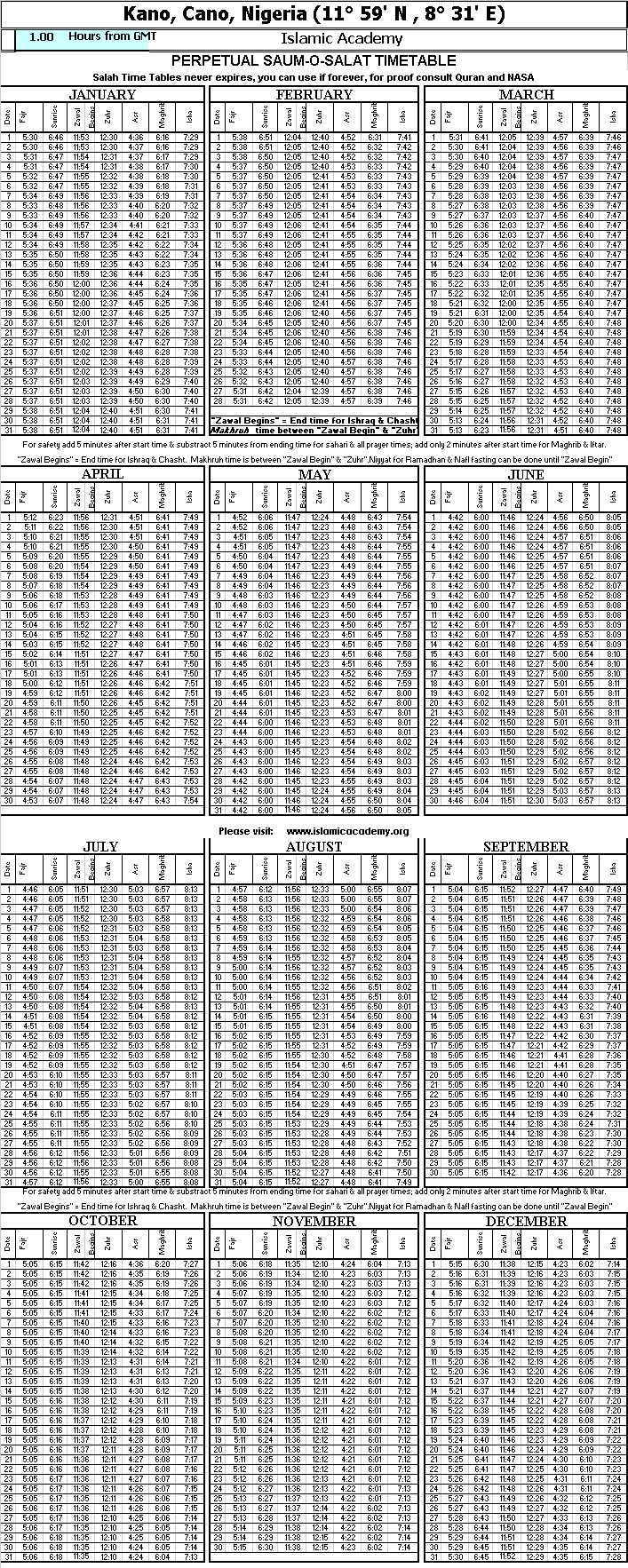
Prayer time in Kano is a sacred rhythm that echoes through the vibrant streets, calling the faithful to bow their heads and connect with the Divine. The muezzin’s haunting call cuts through the air, drawing both locals and visitors to pause and seek solace in prayer. As the sun dips below the horizon, a tranquil hush falls over the city, signaling the arrival of another cherished moment to commune with God. In Kano, prayer time is not just a routine, but a profound spiritual experience that unites hearts in devotion.

Exploring Prayer Time in Kano: A Spiritual Journey
Welcome to the vibrant city of Kano, where the echoes of the muezzin’s call to prayer resound through the bustling streets, signaling the faithful to pause and connect with the divine. In this blog post, we delve into the rich traditions and practices surrounding prayer time in Kano, immersing ourselves in the spiritual tapestry that defines this enchanting city.
The Significance of Prayer in Kano
Prayer holds a central place in the lives of the people of Kano, a city steeped in centuries-old Islamic traditions. For the residents of Kano, prayer time is not merely a ritual obligation but a sacred moment of communion with Allah, a time to seek guidance, solace, and blessings.
As the sun rises over the horizon, signaling the start of a new day, the first call to prayer, known as Fajr, fills the air, beckoning the faithful to awaken from their slumber and prepare for the day ahead. The melodious chants of the muezzin pierce the stillness of the morning, serving as a gentle reminder to turn towards Allah and begin the day with gratitude and humility.
The Five Daily Prayers
In Kano, like in many Muslim-majority regions, the day is punctuated by five prescribed prayers: Fajr, Dhuhr, Asr, Maghrib, and Isha. Each prayer has its designated time, aligning with the movements of the sun and marking the rhythm of daily life in the city.
From the early morning tranquility of Fajr to the hushed moments of Isha under the starlit sky, each prayer offers a unique opportunity for reflection, supplication, and connection with the divine. In Kano, the call to prayer serves as a unifying thread that binds the community together in worship and devotion.
The Call to Prayer: A Melody of the Soul
One of the most enchanting aspects of prayer time in Kano is the hauntingly beautiful call to prayer that resonates from the minarets of the city’s mosques. The Adhan, as it is known, is not merely a signal to begin the prayer but a melodic proclamation of faith that stirs the soul and uplifts the spirit.
As the muezzin raises his voice in praise of Allah, the intricate Arabic phrases of the Adhan weave a tapestry of devotion and reverence, drawing the faithful to the mosque like a moth to a flame. In Kano, the call to prayer is not just a sound; it is a symphony of the soul, a celestial melody that transcends the mundane and touches the divine.
The Rituals of Prayer
As the faithful gather in the mosque for prayer, they perform a series of ritual acts that symbolize their submission to Allah and their commitment to the faith. From the purification ablutions of Wudu to the reverent bowing and prostration of the prayer itself, each movement is imbued with deep spiritual significance.
In Kano, the act of prayer is not just a physical exercise but a spiritual journey, a movement towards enlightenment and closeness to Allah. The rhythmic recitation of the Quran, the silent whispers of supplication, and the serene stillness of contemplation create a sacred space where the soul can soar and find peace.
The Mosque: A Sanctuary of Serenity
For the people of Kano, the mosque is more than just a place of worship; it is a sanctuary of serenity, a refuge from the chaos and clamor of the outside world. As the faithful enter the hallowed halls of the mosque, they leave behind the worries and distractions of daily life, immersing themselves in an atmosphere of tranquility and peace.
The mosque in Kano is a place of community, where people from all walks of life come together to bow before Allah in unity and harmony. The rhythmic rise and fall of the congregational prayer, the shared whispers of devotion, and the collective sense of spiritual connection create a bond that transcends language, culture, and background.
The Rewards of Prayer
For the people of Kano, prayer is not just a duty; it is a source of immense blessings and rewards. The Prophet Muhammad said, “The comparison of one who remembers Allah and one who does not is like that of the living and the dead.” In Kano, the act of prayer is seen as a means to draw closer to Allah, to seek His forgiveness, and to receive His abundant mercy.
Through prayer, the people of Kano find solace in times of trouble, strength in moments of weakness, and guidance in periods of uncertainty. The spiritual rewards of prayer are not just confined to the hereafter but manifest in the present moment, infusing daily life with a sense of purpose and peace.
The Legacy of Prayer in Kano
As we conclude our exploration of prayer time in Kano, we are reminded of the profound legacy of faith and devotion that defines this ancient city. For centuries, the people of Kano have turned towards Allah in prayer, seeking His guidance and blessings in times of joy and sorrow.
In the bustling markets, the quiet alleyways, and the majestic mosques of Kano, the echoes of prayer reverberate, uniting the community in a shared commitment to the divine. The tradition of prayer in Kano is not just a practice; it is a way of life, a spiritual journey that shapes the hearts and minds of the faithful.
As we bid farewell to this enchanting city, let us carry with us the lessons of prayer time in Kano: the importance of faith, the power of devotion, and the blessings of connection with the divine. May we all find peace and solace in our own moments of prayer, wherever we may be.
Thank you for joining us on this spiritual journey through the heart of Kano. May your own prayers be a source of light and guidance in your life.
Islamic Prayer Times,#shorts #shortsvideo
Frequently Asked Questions
When is the Fajr prayer time in Kano?
The Fajr prayer time in Kano typically starts at dawn, before the sunrise. It is recommended to check the local prayer time schedule or Islamic app for the exact timing, as it varies throughout the year.
What time is the Dhuhr prayer in Kano?
The Dhuhr prayer time in Kano is usually around midday when the sun begins to decline after reaching its peak. It is important to be aware of the specific prayer time for Dhuhr each day to ensure it is performed at the correct time.
How can I find the Asr prayer time in Kano?
To find the Asr prayer time in Kano, you can refer to a reliable Islamic calendar, local mosque announcements, or prayer time applications. The Asr prayer is typically performed in the afternoon, but the timing can vary based on the position of the sun.
What is the Maghrib prayer time in Kano?
The Maghrib prayer time in Kano is right after sunset. It is important to observe the time carefully, as delaying the Maghrib prayer unnecessarily is against Islamic teachings. Check the local prayer time schedule to ensure you perform the Maghrib prayer at the correct time.
When does the Isha prayer usually take place in Kano?
The Isha prayer in Kano typically takes place after the Maghrib prayer and before midnight. It is crucial to perform the Isha prayer at the correct time to fulfill one’s religious obligations. Utilize prayer time resources to determine the exact timing for the Isha prayer each day.
Final Thoughts
Prayer time in Kano holds a sacred place in the daily routine of its residents. The call to prayer echoes through the city, bringing a sense of peace and unity. As the faithful gather to pray, the bustling streets of Kano quiet down, creating a serene atmosphere. In these moments of reflection and devotion, Kano truly comes alive, showcasing the beauty of its spiritual traditions. May the prayer time in Kano continue to inspire and uplift all who experience it.


