
Why Synthetic Wax Is Taking Over Natural Alternatives
Wax comes from honeycombs, oil wells and… laboratories? While bees and petroleum long dominated commercial wax sources, companies like Trecora now…
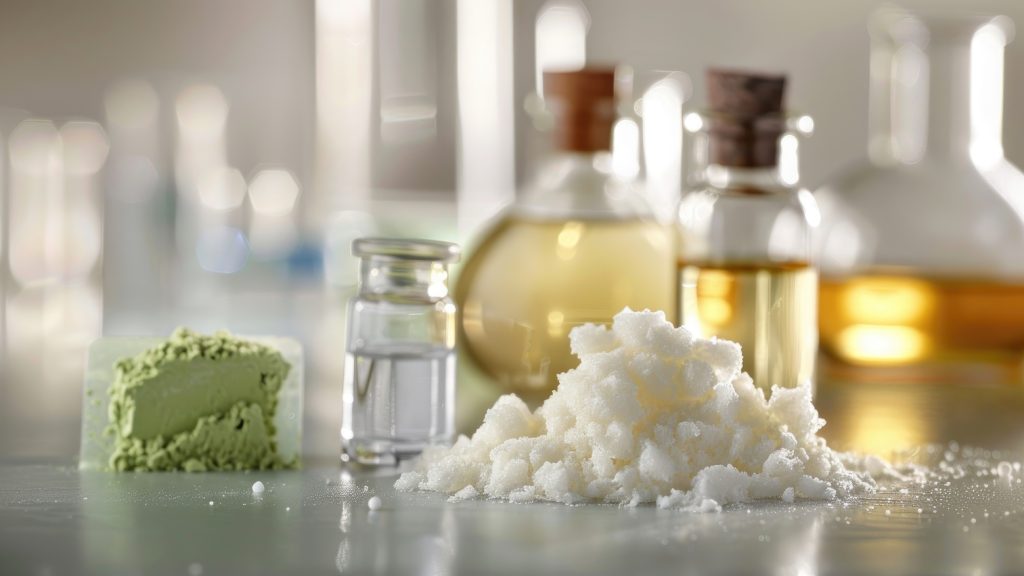
Chemical ingredients displayed on lab table Cetyl Esters Wax and Ferrous Sulfate in vial
Wax comes from honeycombs, oil wells and… laboratories? While bees and petroleum long dominated commercial wax sources, companies like Trecora now synthetically engineer specialty synthetic waxes, imbuing them with advantages beyond those of either predecessor..
The Limitations of Natural Materials
Natural waxes, including paraffin and beeswax, carry rich histories across applications from candles to food protection to polishing. However useful initially, drawbacks surfaced in modern commercial scenarios. Variability in natural inputs introduces inconsistencies between wax batches that disrupt manufacturing efficiency. Seasonal factors like bee colony health and oil rig operations further ripple unpredictability into supply reliability and pricing. Globalization also strained classic production centers. For example, rising costs of European beeswax imports because of dollar-euro shifts and urban beekeeping restrictions incentivized alternatives. Industry thus turned toward synthetic chemistry seeking next-generation solutions.
Empowering Customization
Lab-based development methods liberated wax synthesis from constraints and irregularities intrinsic to nature’s whims. Formulators tweak molecular weights, branching density, byproduct levels and additional levers to choreograph melting point, oil absorption capacity and texture attributes to intended functions. This customization leeway simply doesn’t exist with single fixed compositions from bees or petroleum. Synthetics also permit incorporating supplementary ingredients like antioxidants and dyes at far lower levels than natural bases would tolerate before detriments emerge.
Enhancing Performance and Processability
So what specific advantages empower synthetic waxes to out-compete natural precursors across industries as diverse as electronics, cosmetics, and metal casting? The foremost driver is achieving standards of performance and processing unachievable otherwise. For example, film coatings safeguarding automobile electronics require exceptional heat resistance lacking in conventional waxes. White pigmented products for cosmetics mandate strict color consistency that beeswax can’t reliably deliver batch-to-batch. Synthetics also excel at eliminating waxy buildup in production equipment that would force frequent cleaning with petroleum or beeswax. This increases production efficiency and reduces waste.
Upholding Health, Safety and Sustainability
Natural waxes frequently contain health hazards like bee proteins triggering allergies, residual pesticides from insect treatments or toxic aromatic hydrocarbons leaching from crude oil. Synthetic chemistry provides a means to bypass these landmines by constructing only beneficial wax components free of dangerous contaminants. Strict purification also reduces irritants plaguing sensitive applications like ophthalmics. For corporations targeting green chemistry principles, specialty synthetics check sustainability boxes through catalysis advancements lowering waste, energy and atom usage. This eases regulatory compliance in emissions, waste and safety realms alike relative to conventional materials.
Future-Proof Supply Chain Resilience
Even perfect natural wax properties still falter if raw input availability falters. Production capacity is threatened by climate fluctuations, geopolitical instability, shipping crises, and supply chain issues, particularly impacting geographically dependent, traditional wax sources. Nevertheless, versatile specialty synthetic waxes circumvent these pitfalls via decentralized regional manufacturing adaptable to localized storms, both political and meteorological. Their reliability liberates companies from wax shortage risks that could torpedo operations dependent on nature’s whims.
Pioneering the Next Generation
Specialty wax innovation continues marching forward seeking next-horizon functions not yet envisioned. Researchers experiment with novel monomers, alternate catalysts and processing under non-standard conditions to deliberately instigate specialty polymerization pathways barred in natural materials. Computational modeling guides efficiency improvements around minimizing raw material waste and energy demands during scale up. This ceaseless progress expands applications domains for custom waxes while upholding exacting property specifications through tightly regulated production protocols.
Conclusion
With governments and consumers prioritizing sustainability alongside performance, the environmental and supply liabilities of conventional waxes outweigh benefits in modern contexts. Specialty synthetic waxes bypass these pitfalls through customization competence not attainable with natural inputs. Moving forward, expect petroleum and bees wax to shift toward quainter usages as specialty synthesis of tailor-made materials takes over commercial markets where consistency and innovation confer competitive advantage across industries at the innovative edge.